

Stress is part of life. Work deadlines, family responsibilities, financial worries, relationships, unexpected challenges, it all adds up. And while your body is designed to handle short-term stress, chronic stress takes a serious toll on your physical and mental health.
One of the most visible signs of chronic stress? Hair loss.
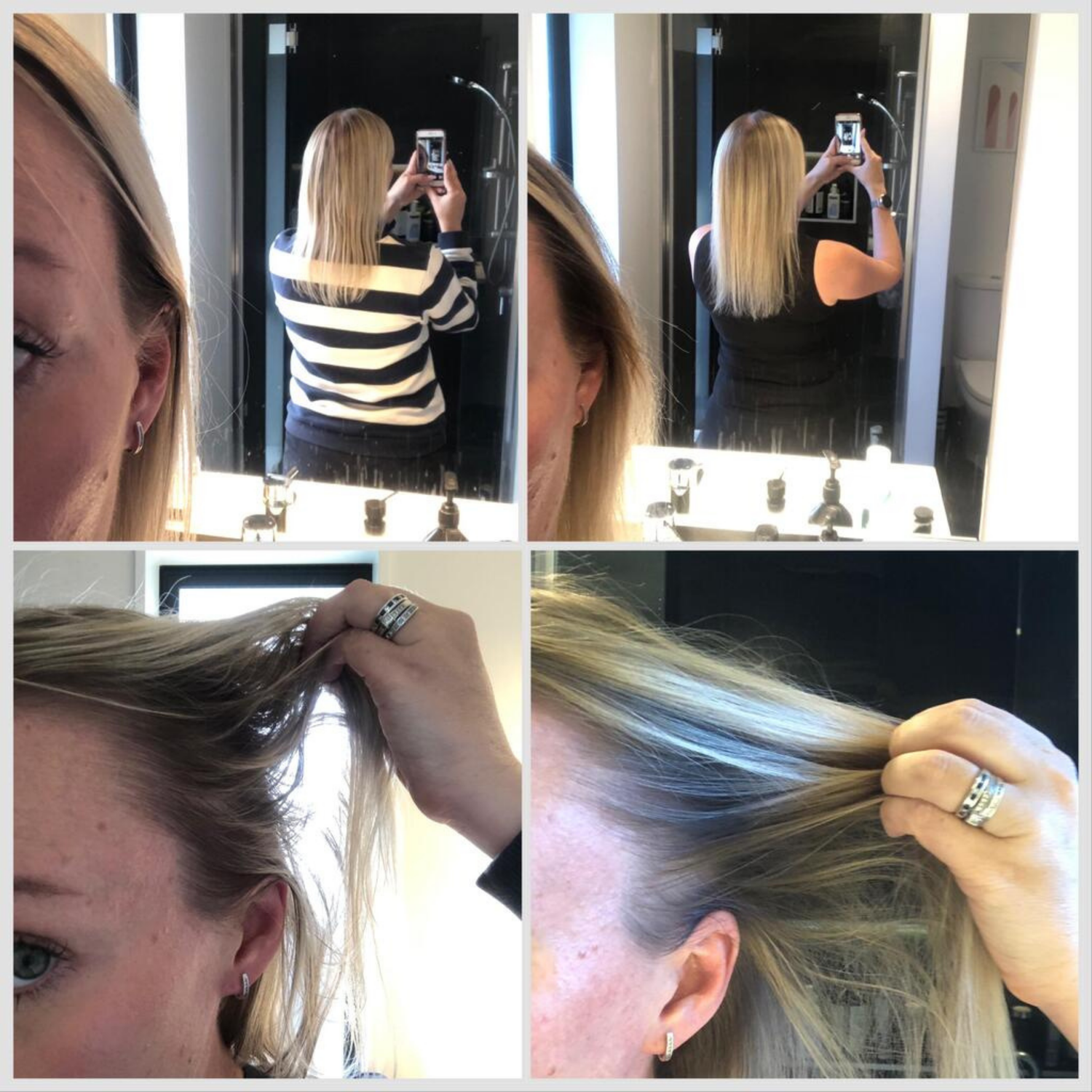
If you've noticed more hair in your brush, thinner ponytails, or a widening part, stress might be the culprit. The good news is that stress-related hair loss is often reversible, especially when you support your body with the right nutrients, including Functional Keratin™.
Let's dive into how stress causes hair loss, what you can do about it, and how Functional Keratin™ can help rebuild what stress takes away.
How Stress Causes Hair Loss: The Science
Your hair grows in a continuous cycle with three main phases:
Anagen (Growth Phase)
This is the active growth phase, lasting 2-7 years. About 85-90% of your hair is in this phase at any given time.
Catagen (Transition Phase)
A short transition phase lasting 2-3 weeks, where growth stops and the hair follicle shrinks.
Telogen (Rest Phase)
A resting phase lasting about 3 months, after which the hair sheds naturally. About 10-15% of your hair is in this phase at any time.
Under normal conditions, this cycle continues seamlessly. Old hairs fall out, and new hairs grow in. You lose 50-100 hairs per day naturally without noticing significant thinning.
But when you experience chronic stress, this cycle gets disrupted.
What Chronic Stress Does to Your Hair
When you're stressed, your body releases cortisol, the primary stress hormone. Cortisol is essential for short-term stress response, but when cortisol remains elevated chronically, it wreaks havoc on your body, including your hair.
Here's what happens:
1. Accelerated Transition to Telogen Phase
Chronic stress pushes a disproportionate number of hair follicles from the growth phase (anagen) into the resting phase (telogen) prematurely. This means more hairs enter the shedding phase simultaneously.
This condition is called telogen effluvium, a temporary but noticeable form of hair loss triggered by physical or emotional stress.
2. Slowed Hair Growth Cycle
Stress slows down your hair's natural growth cycle. Even the hairs that remain in the growth phase grow more slowly, resulting in hair that appears thinner, shorter, and less vibrant.
3. Nutrient Depletion
Cortisol actively depletes essential nutrients, including:
-
Protein: Needed to produce keratin
-
B vitamins (especially biotin): Essential for keratin synthesis
-
Zinc and iron: Critical for hair follicle health
-
Magnesium: Supports cellular energy production
Without these nutrients, your body can't produce strong, healthy hair, even if follicles are in the growth phase.
4. Reduced Blood Flow to Follicles
Chronic stress constricts blood vessels, reducing circulation to your scalp. Hair follicles rely on nutrient-rich blood to support growth. Poor circulation means weak, undernourished follicles.
5. Increased Inflammation
Stress triggers systemic inflammation, which can damage hair follicles and disrupt the hair growth cycle further.
The result? Noticeable hair thinning, increased shedding, and hair that looks dull and lifeless.
The Timeline: When Stress-Related Hair Loss Shows Up
Here's something important to understand: stress-related hair loss doesn't happen immediately.
The hair cycle takes time. When a stressful event or period pushes hair follicles into telogen phase, those hairs don't fall out for about 2-3 months.
This delayed timeline means you might not connect your hair loss to a stressful period that happened months earlier. But the connection is real.
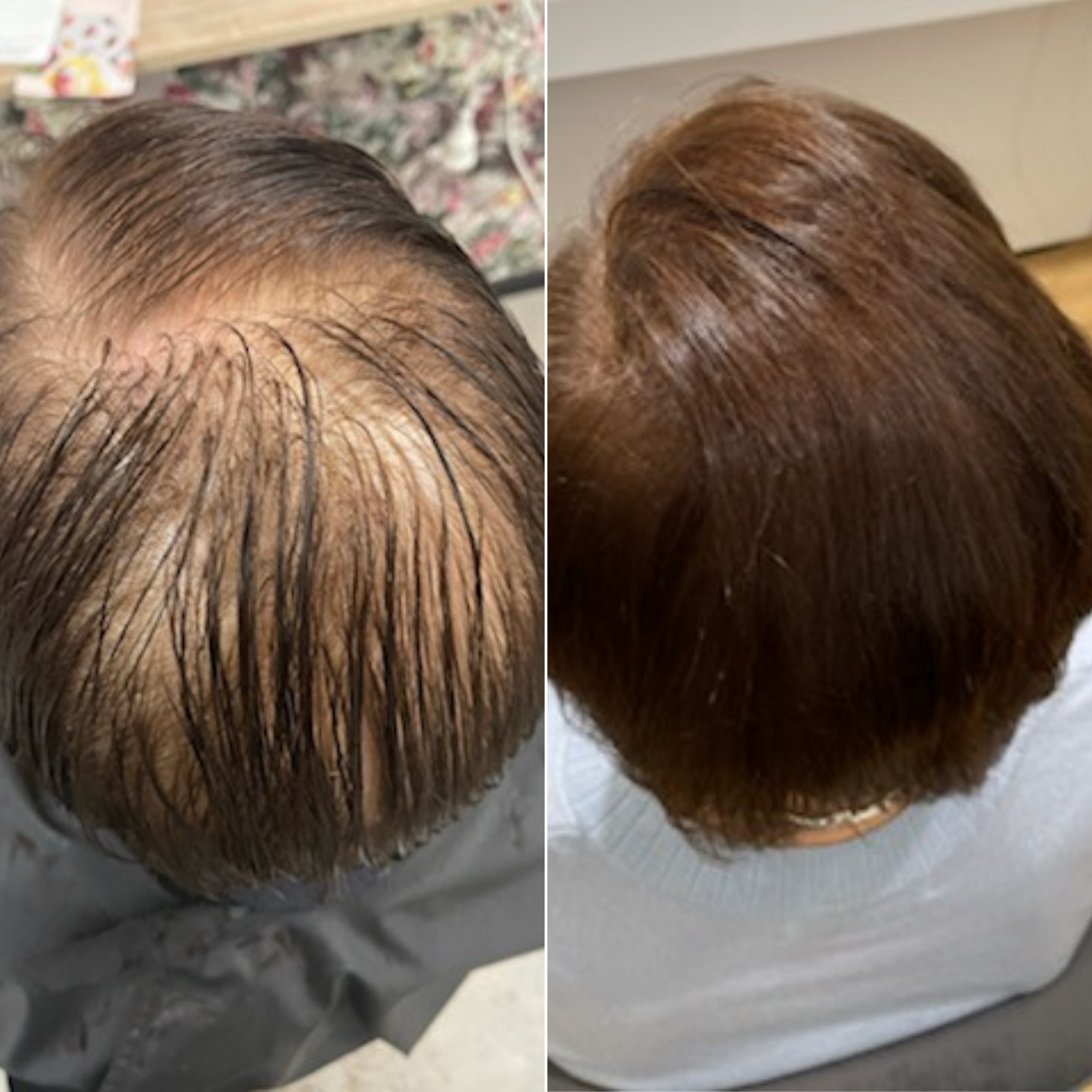
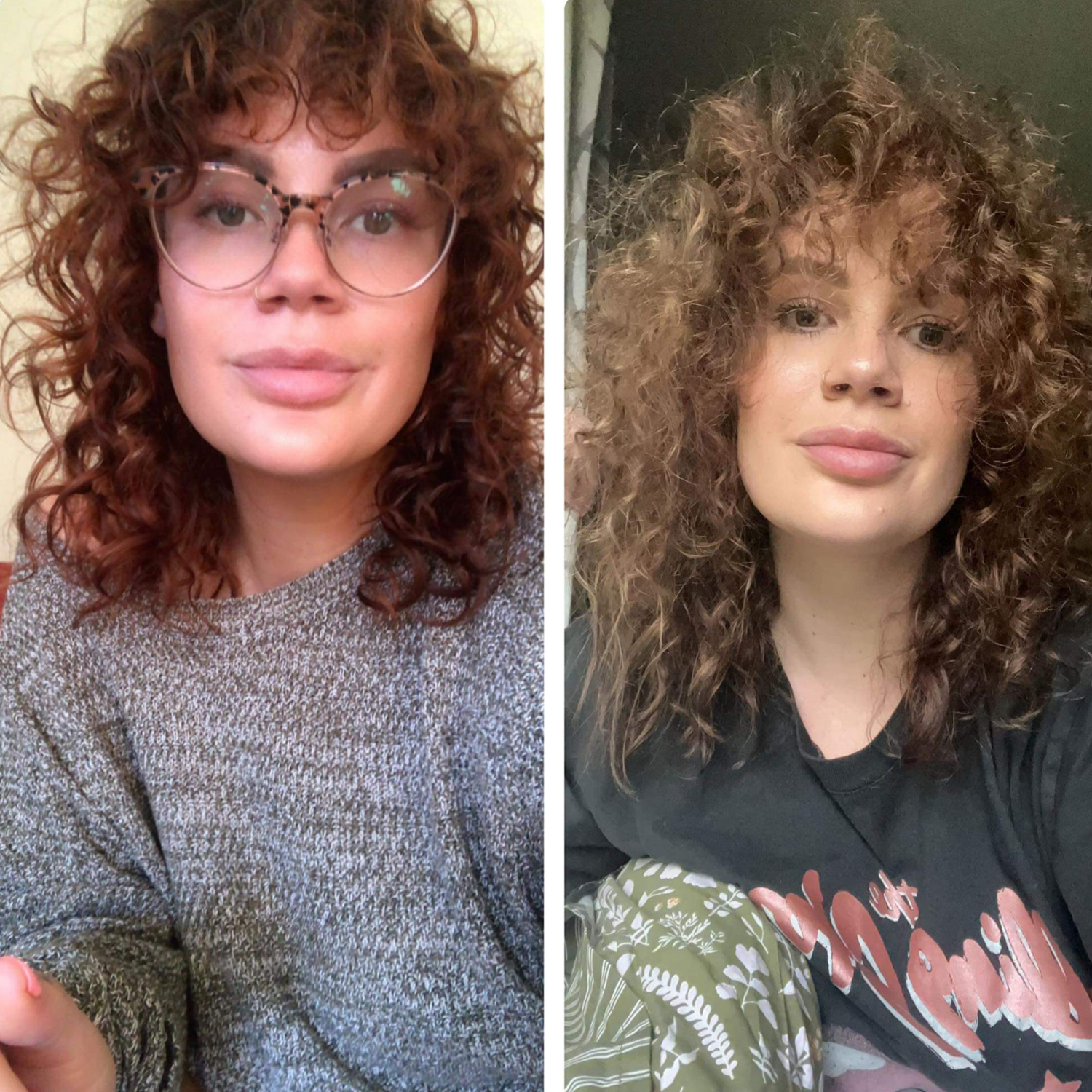
The good news? Because telogen effluvium is triggered by a specific stressor, it's usually temporary. Once the stress is managed and your body receives the support it needs, hair growth typically resumes within 3-6 months.
How Functional Keratin™ Supports Hair Recovery From Stress
When you're experiencing stress-related hair loss, your body needs two things:
-
Stress reduction (so cortisol levels can normalize)
-
Nutritional support (to replenish what stress depletes and provide building blocks for new hair growth)
This is where Functional Keratin™ becomes essential.
What Functional Keratin™ Does
Functional Keratin™ is 91% homologous to human keratin, meaning your body recognizes it as structurally compatible and can use it immediately to:
-
Replenish depleted protein stores: Stress depletes the amino acids your body needs to produce keratin. Functional Keratin™ provides those exact amino acids in bioavailable form.
-
Trigger collagen expression: Functional Keratin™ upregulates collagen 4 and 7, which anchor hair follicles and support the dermal-epidermal junction. Stronger follicles mean less shedding.
-
Boost glutathione production: Functional Keratin™ is rich in cysteine, which your body uses to produce glutathione, a powerful antioxidant that helps combat oxidative stress caused by cortisol.
-
Support the hair growth cycle: By providing the building blocks your body needs, Functional Keratin™ helps normalize the hair cycle and support healthy growth phase duration.
Clinical Evidence
Studies show that Functional Keratin™ reduces hair loss by up to 43% when taken consistently. This isn't about masking the problem, it's about giving your body what it needs to repair and rebuild.
Why Generic Keratin Doesn't Work
Most keratin supplements use hydrolyzed keratin, which is chemically broken down into tiny fragments. Your body struggles to recognize and use these fragments effectively.
Functional Keratin™ retains its long-chain protein structure through gentle extraction, making it immediately usable by your body. This is why it delivers measurable results where generic keratin fails.
Supporting Nutrients That Work With Functional Keratin™
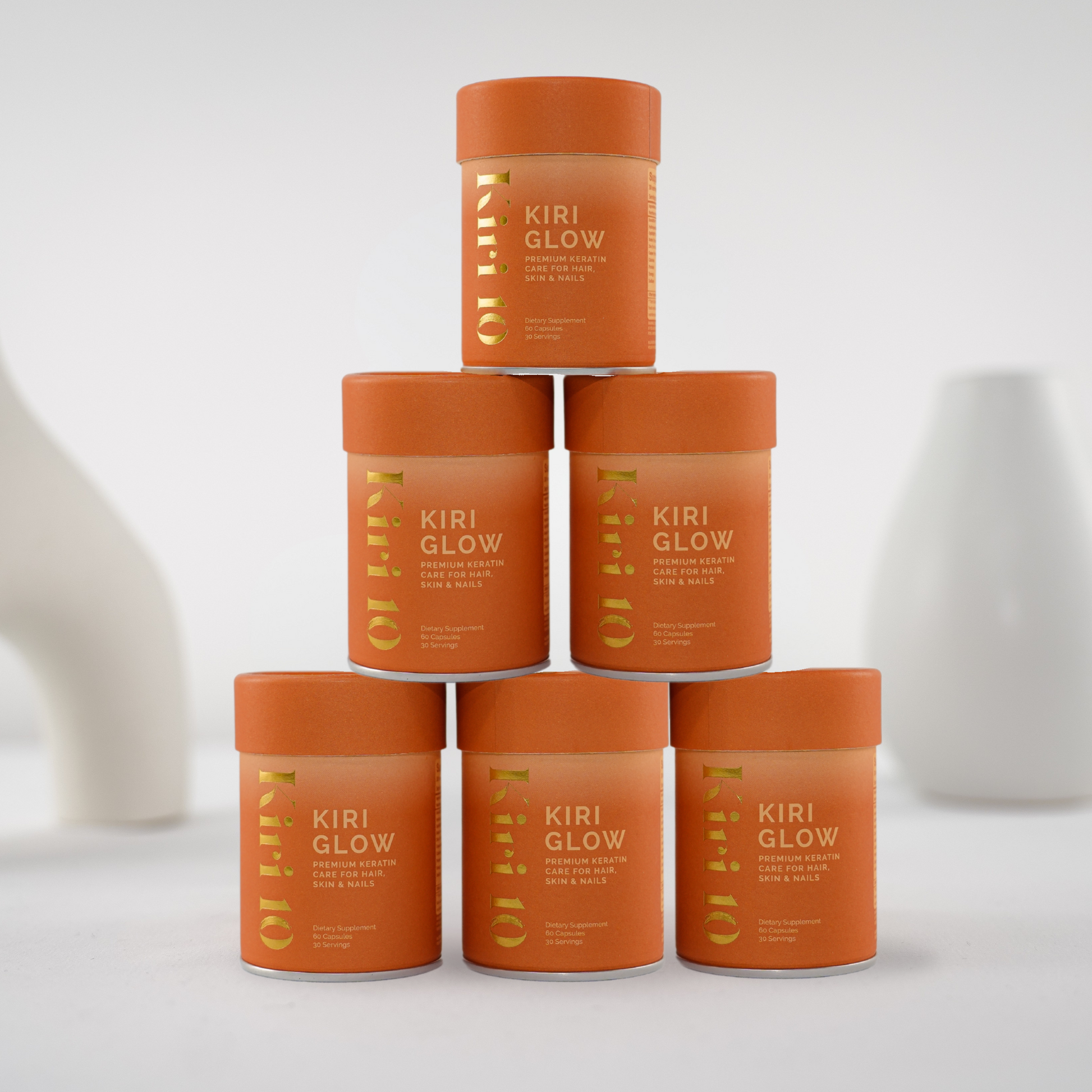
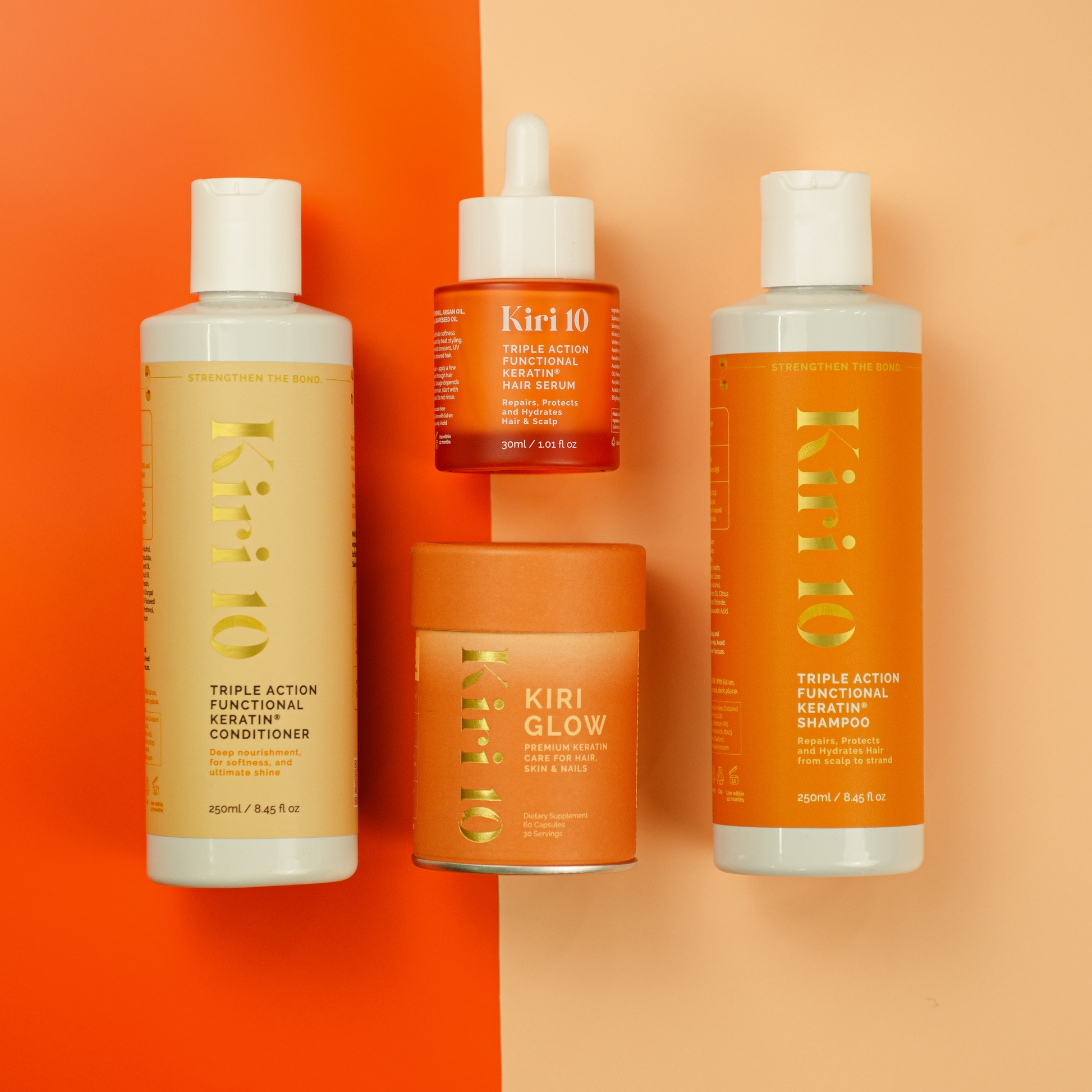
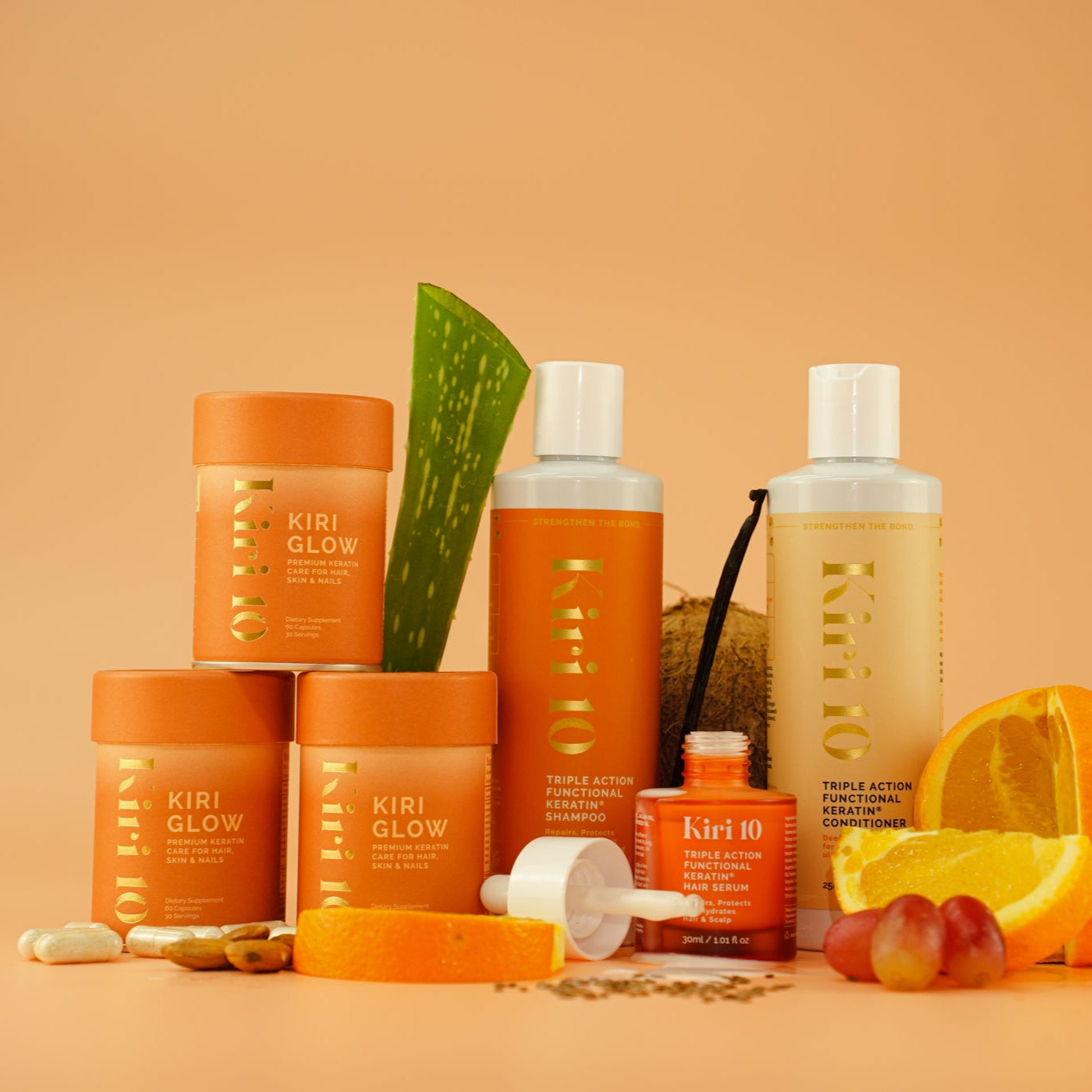
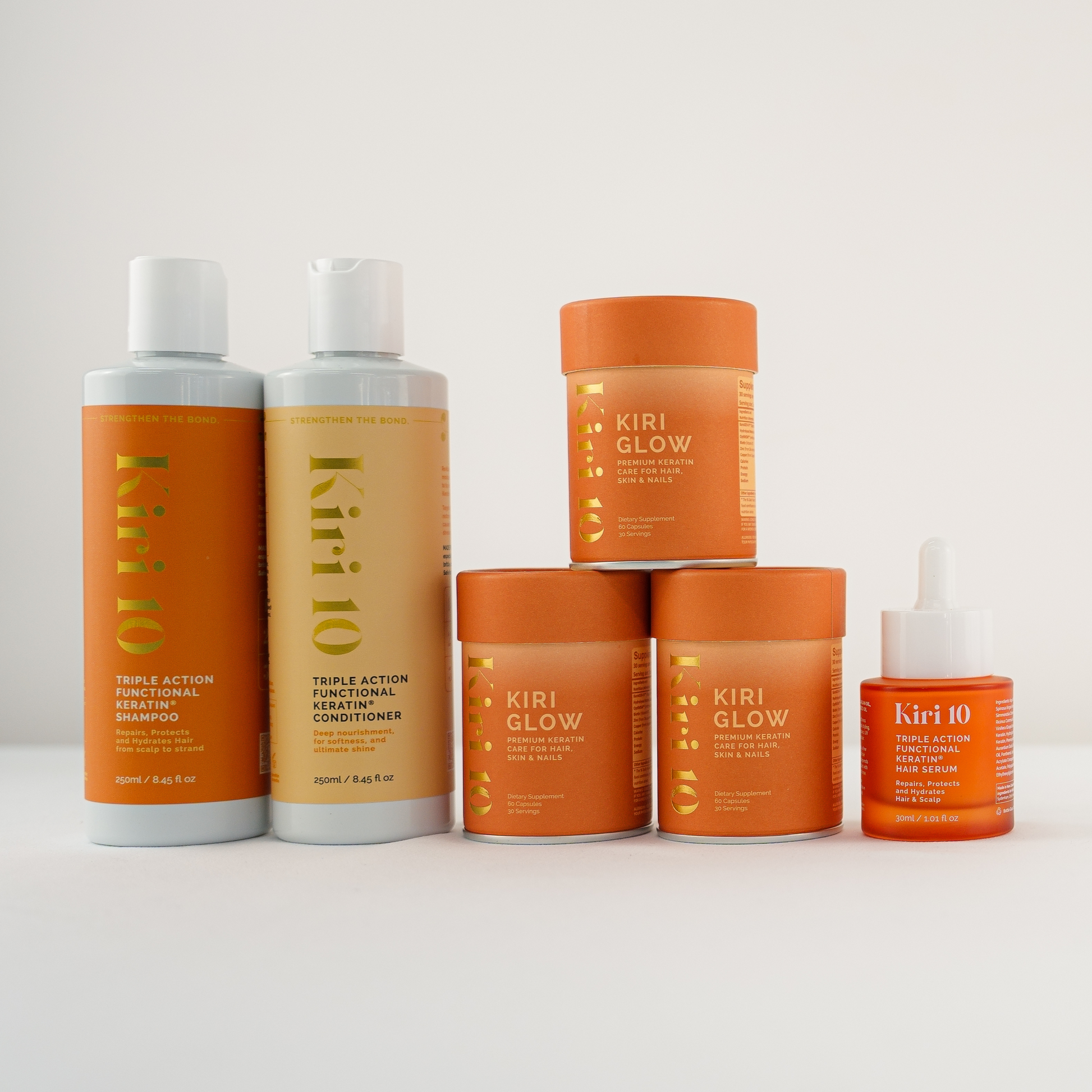
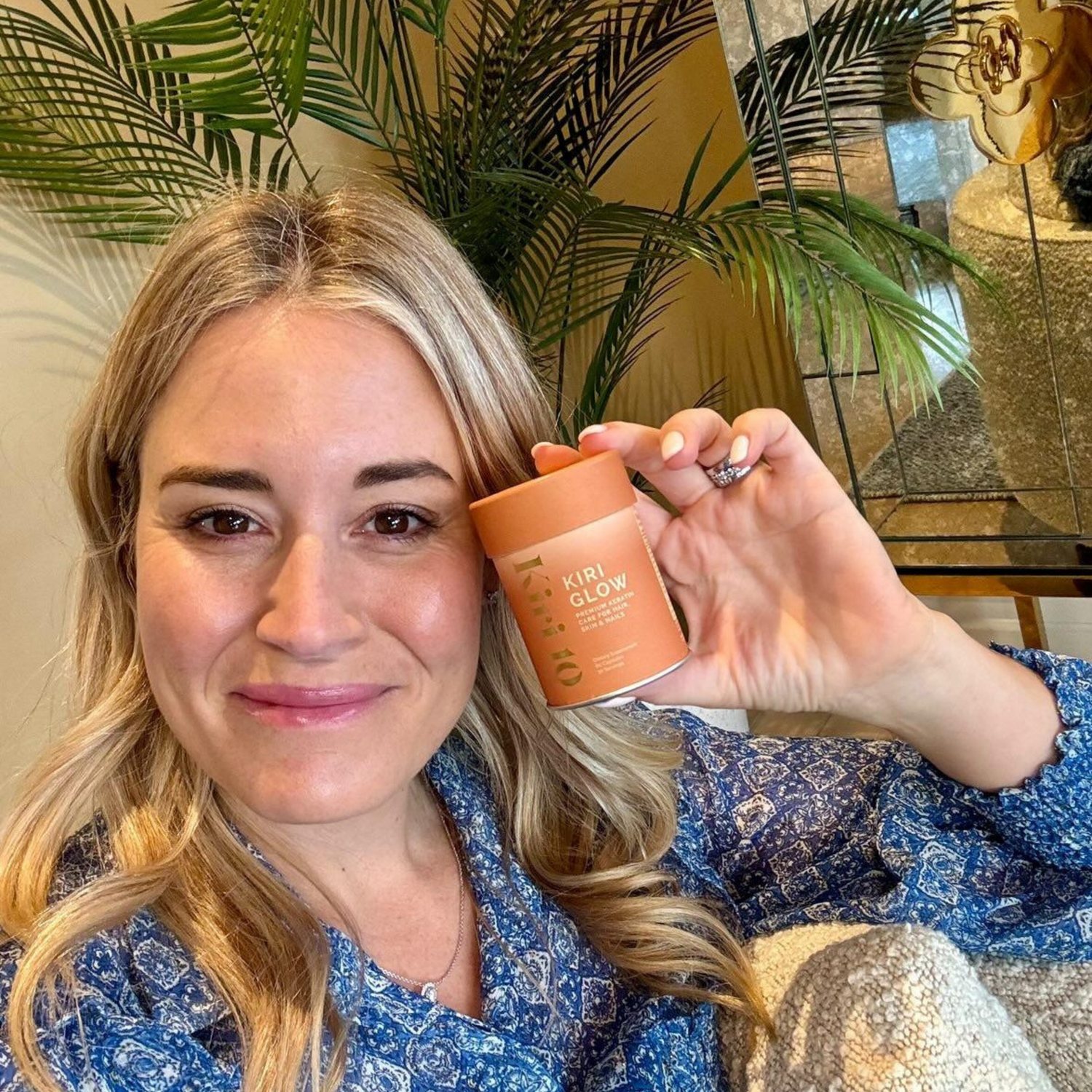
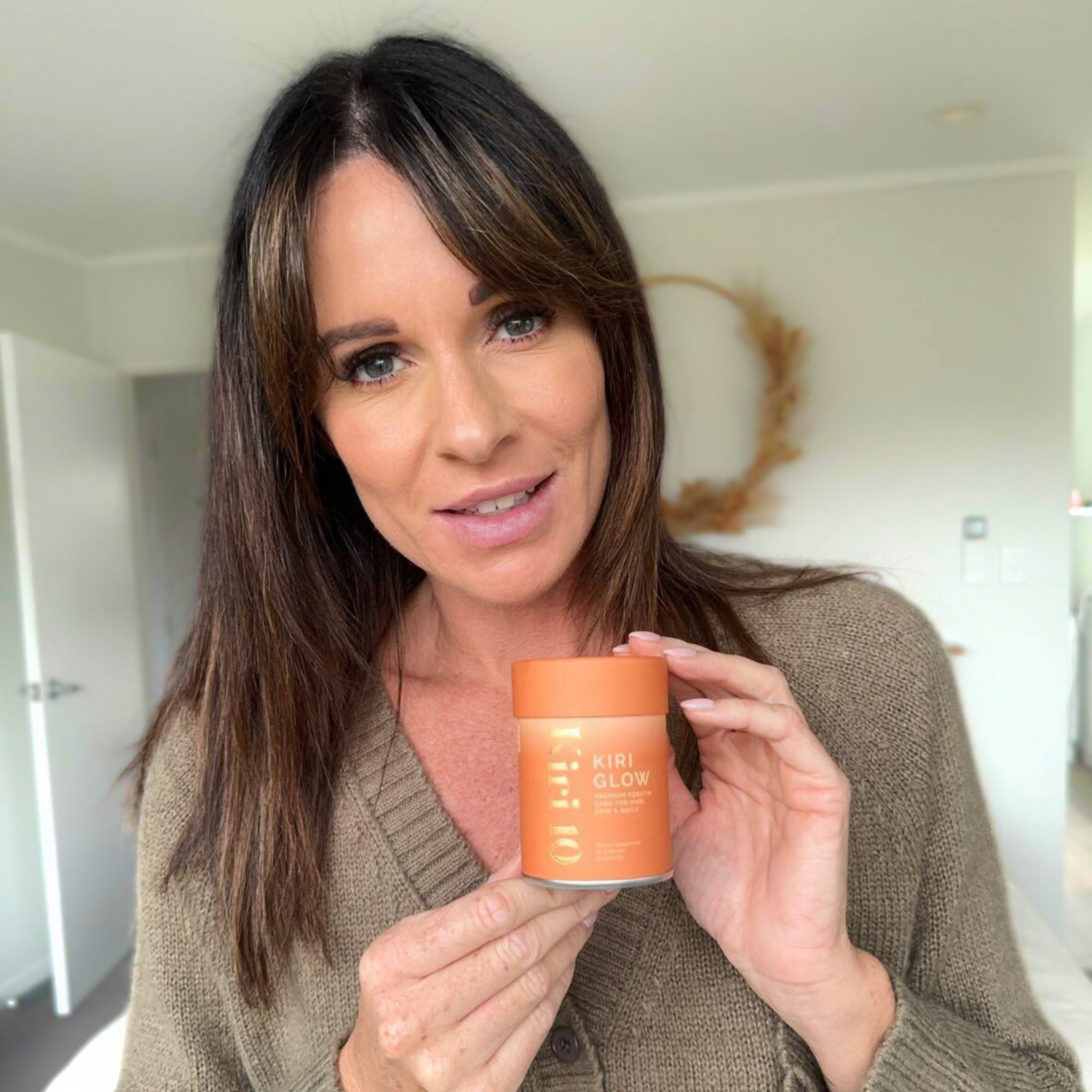
While Functional Keratin™ is essential, it works best when paired with other supportive nutrients. This is why KiriGlow combines:
Biotin (Vitamin B7)
-
Facilitates keratin synthesis at the metabolic level
-
Supports hair follicle health
-
Often depleted by chronic stress
Zinc
-
Essential for hair tissue growth and repair
-
Supports immune function
-
Deficiency linked to hair loss
Vitamin C
-
Essential for collagen synthesis
-
Powerful antioxidant that combats oxidative stress
-
Supports iron absorption
OptiMSM™
-
Provides organic sulfur for disulfide bond formation
-
Strengthens keratin structure
-
Supports detoxification processes
Marine Collagen
-
Supports the dermis and hair follicle anchoring
-
Works synergistically with Functional Keratin™
-
Provides structural support
Together, these ingredients create a comprehensive system that supports your body's recovery from stress-related hair loss.
Stress Management: Essential for Hair Recovery
Supplementing with Functional Keratin™ is critical, but you also need to address the root cause: stress itself.
Here are evidence-based strategies for managing chronic stress:
1. Prioritize Sleep
Sleep is when your body repairs and regenerates. Aim for 7-9 hours of quality sleep per night.
-
Establish a consistent sleep schedule
-
Create a calming bedtime routine
-
Limit screen time before bed
-
Keep your bedroom cool, dark, and quiet
2. Move Your Body
Physical activity reduces cortisol and releases endorphins, the body's natural stress relievers.
-
Walk, run, swim, cycle, whatever you enjoy
-
Aim for at least 30 minutes most days
-
Include strength training and stretching
-
Find activities that feel restorative, not punishing
3. Practice Mindfulness and Relaxation
Mindfulness practices directly reduce cortisol levels and support nervous system regulation.
-
Meditation or guided relaxation
-
Deep breathing exercises
-
Yoga or tai chi
-
Journaling
-
Spending time in nature
4. Set Boundaries
Chronic stress often comes from overcommitment. It's okay to say no.
-
Delegate when possible
-
Set realistic expectations for yourself
-
Protect your time and energy
-
Ask for help when you need it
5. Seek Support
Talking to someone can make a huge difference.
-
Friends and family
-
Therapist or counselor
-
Support groups
-
Online communities
6. Nourish Your Body
Stress depletes nutrients. Support your body with:
-
Protein-rich foods (eggs, fish, poultry, legumes)
-
Leafy greens and colorful vegetables
-
Healthy fats (nuts, seeds, avocado, olive oil)
-
Whole grains
-
Plenty of water
What Results Can You Expect From Functional Keratin™ for Stress-Related Hair Loss?
When you combine Functional Keratin™ supplementation with stress management, here's what typically happens:
By Month 1-2
-
Shedding may stabilize or begin to slow
-
Some customers notice less hair in the shower or on their brush
-
Energy levels may improve (bonus benefit from cysteine and glutathione)
By Month 3-4
-
Visible reduction in shedding
-
New baby hairs appear along the hairline
-
Existing hair feels stronger and healthier
-
Overall hair texture improves
By Month 6 Onwards
-
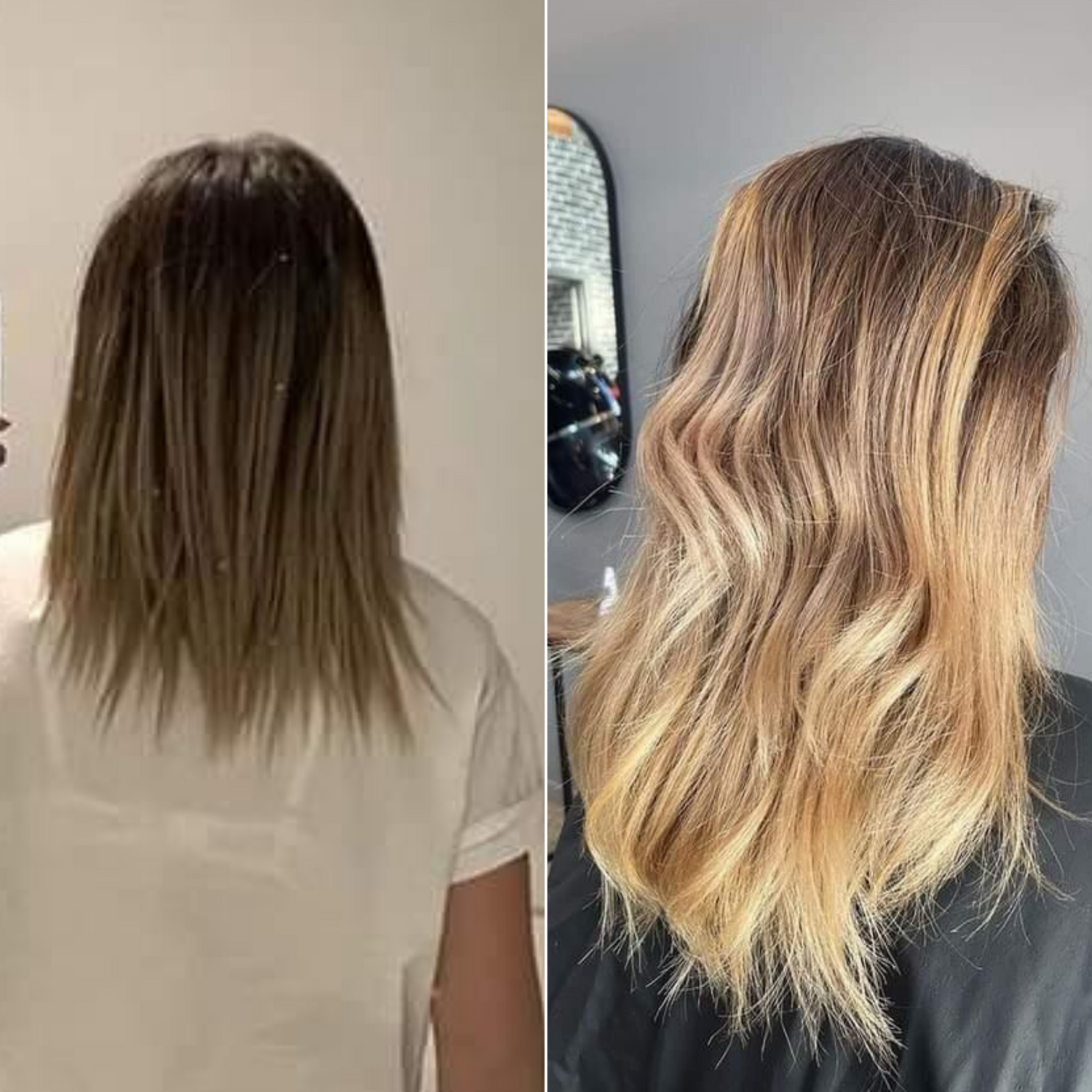
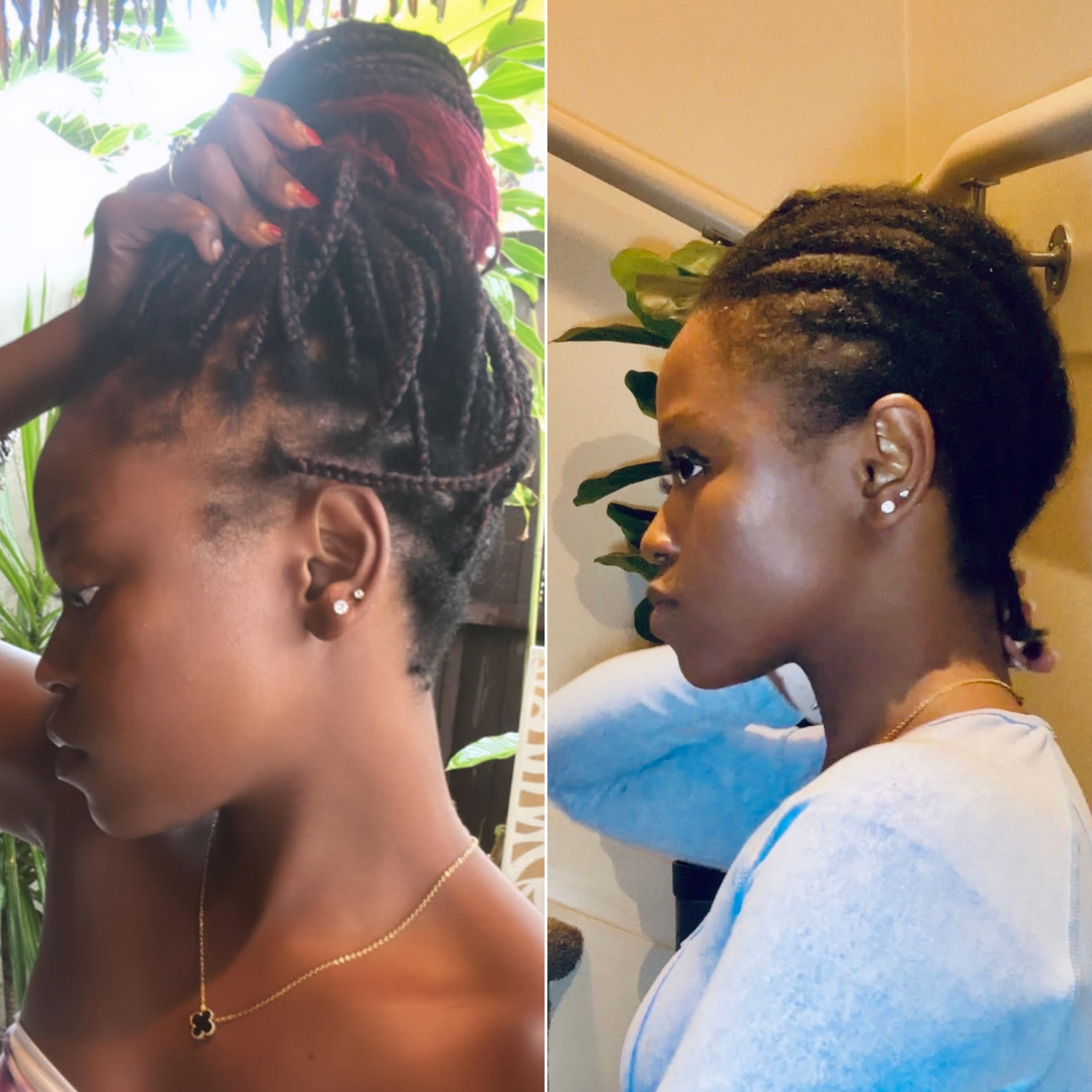
Dramatic improvements in hair density and thickness
-
New growth is noticeably stronger and more resilient
-
Overall sense of confidence and vitality returns
-
Hair looks and feels healthy again
Remember, hair growth is a slow process. Patience and consistency matter more than speed.
Hair Recovery for Different Life Stages
High-Stress Career or Life Phase
If you're in a demanding job, going through major life changes, or managing significant responsibilities, Functional Keratin™ provides the nutritional support your body needs to minimize stress-related hair loss.
Postpartum
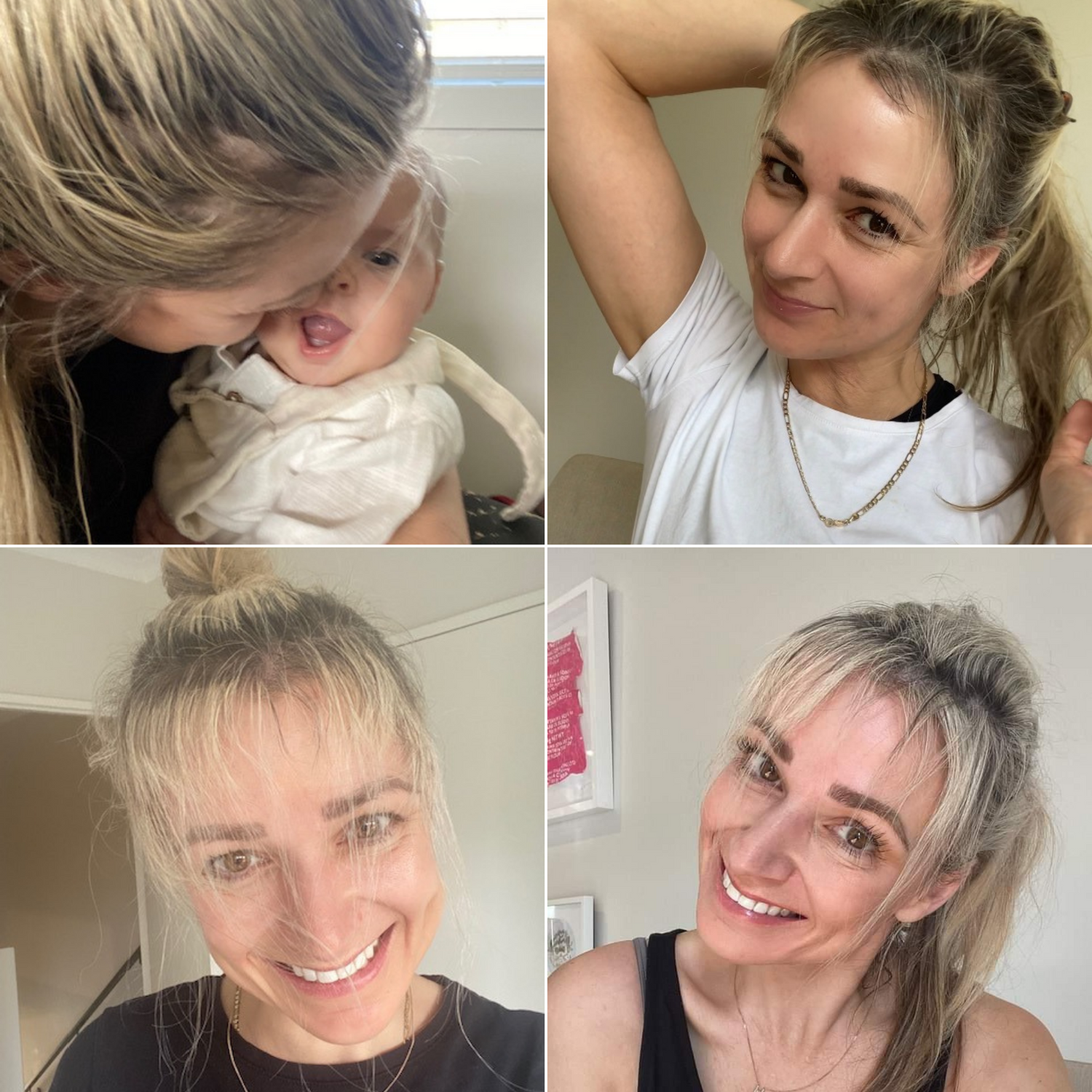
Pregnancy and postpartum are periods of extreme physical and emotional stress. Hormonal shifts plus stress can trigger significant hair loss. Functional Keratin™ accelerates recovery.
Illness or Recovery
Physical illness, surgery, or recovery from any health challenge is a form of stress on your body. Functional Keratin™ supports your body's repair processes.
Chronic Stress or Burnout
If you've been under chronic stress for months or years, your body's nutrient stores are likely depleted. Functional Keratin™ helps rebuild what's been lost.
The Bottom Line: Support Your Body Through Stress
Stress-related hair loss is real, visible, and distressing. But it's also often reversible with the right approach.
You need two things:
-
Stress management to reduce cortisol and normalize your hair cycle
-
Nutritional support to replenish what stress depletes and provide building blocks for new growth
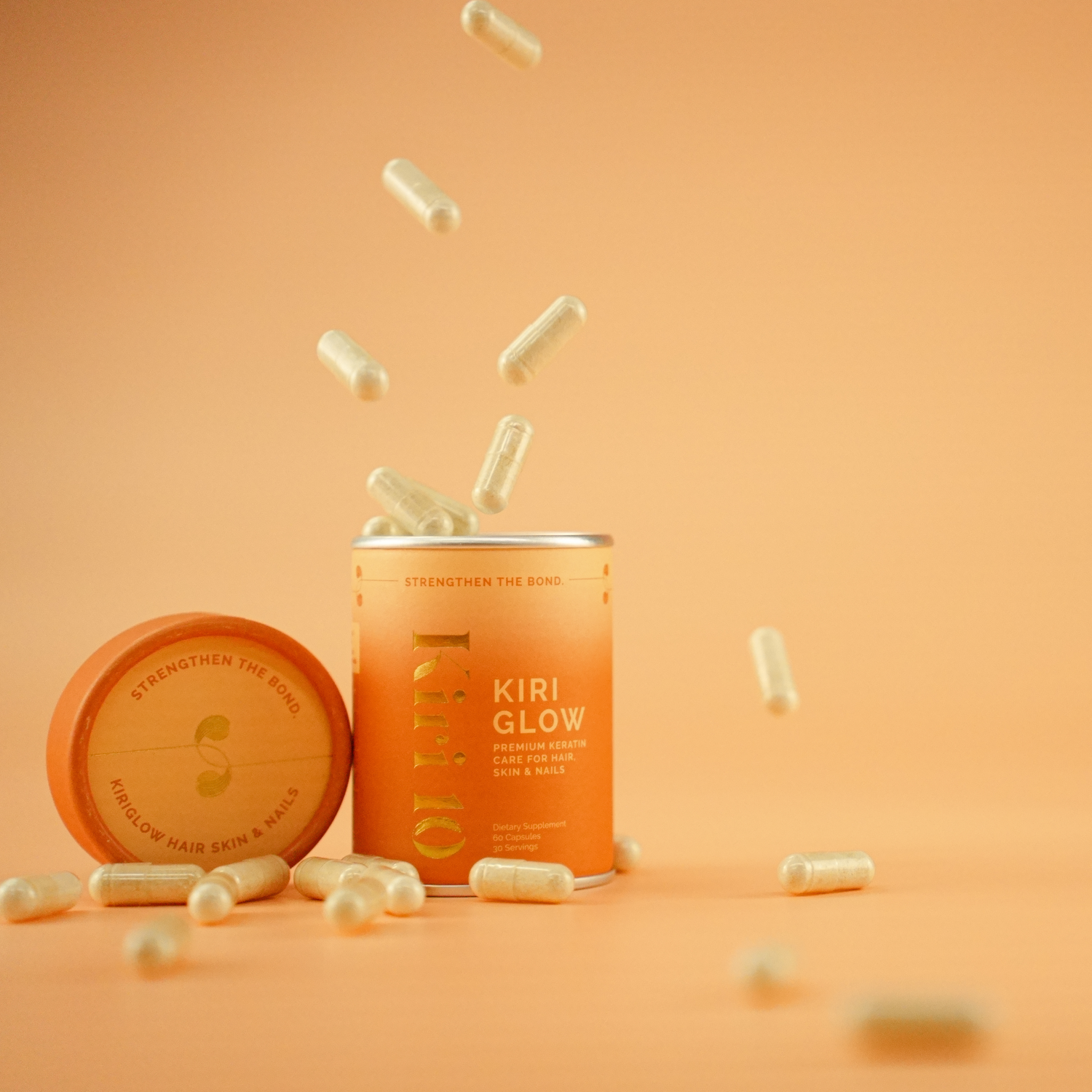
KiriGlow with Functional Keratin™ provides that nutritional support, delivering the exact amino acids, vitamins, and minerals your body needs to rebuild strong, healthy hair.
Combined with stress management practices, you can recover from stress-related hair loss and regain the confidence that comes with healthy, vibrant hair.
Don't wait for stress to take more. Start supporting your body now.
Explore KiriGlow and discover how Functional Keratin™ can help you rebuild what stress takes away.
References and Further Reading
Scientific Research on Stress and Hair Loss
Cortisol and Hair Growth Cycle
-
Stress Hormones and Hair Loss - National Institutes of Health (NIH)
-
Telogen Effluvium: Causes and Treatment - Journal of Dermatology
Stress-Induced Nutrient Depletion
-
Cortisol and Nutritional Status - Nutrients Journal
-
Chronic Stress and Micronutrient Deficiencies - International Journal of Molecular Sciences
Hair Growth Cycle and Stress
-
Understanding the Hair Growth Cycle - International Journal of Biological Macromolecules
-
Telogen Effluvium Recovery Timeline - Dermatology and Therapy
Functional Keratin™ Research
Clinical Evidence for Keratin Supplementation
-
Functional Keratin Reduces Hair Loss by 43% - Lincoln Agritech (New Zealand)
-
Keraplast Research and Development - Keraplast Technologies
Related Kiri10 Resources
Product Information
Related Blog Articles


0 comments